Godot playground: seventeen small games, one question each
At quarter past three on 20 August I asked:
let's play around with the Godot engine... install it for me etc.. and build our first experiment / mechanic
Godot came in through winget, and the first experiment was a grappling hook whose rope
holds your position on a circle but never eats your speed, so every swing adds to the last.
Eighteen minutes later: ok pretty nice :) I like how godot takes care of all the other
headaches like rendering, input etc... much more stable than usual.
By 28 August the
folder held seventeen of them, each its own small Godot project that asks one question,
with a gallery that has a screenshot of each one.
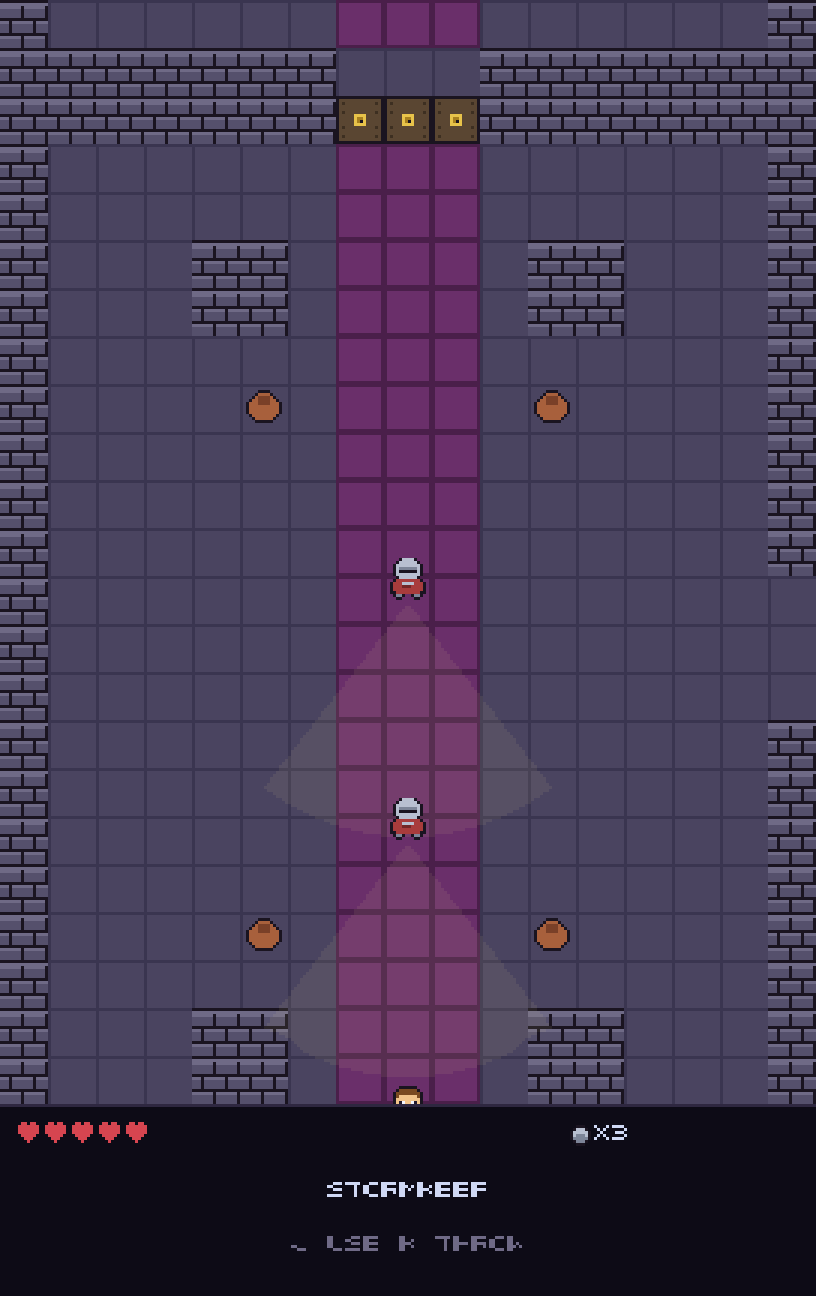
Stormkeep, the one that became a game
The third experiment ran all evening and turned into a real game in two chapters. You
start without a weapon, so the first rooms are stealth: guards with vision cones, a sword
you have to steal, keys, a brother you cannot free, a boss at the top. At half past five I
changed what it was for: I was thinking of taking this game mobile... change
the aspect ratio to what would be the most mass marketable on phones
. So it is portrait,
208 by 368 pixels.
some more symmetry into it.
The notes from playing it came all evening, and they were mixed:
great work on the graphics, music and portrait format... you overdid it a bit with the
guards being enclosed... but game feels amazing. the weapon is still too soon
. Later:
AMAZING work on the animations, screen shake etc...
. I also asked for a long
list of savegames that I can pick to continue from whichever room
, so testing never
meant starting over. By half past eleven I had
run out of direction: the game is fun but what else is new... I will let you figure it
out
.
Epic and awe
Six minutes later a second chat started in the same folder, without interfering with
the other projects
, with one rule:
create one new experience in godot. your constraint: it must feel epic, have that sense of awe of a great RPG or any game that just takes you into its world
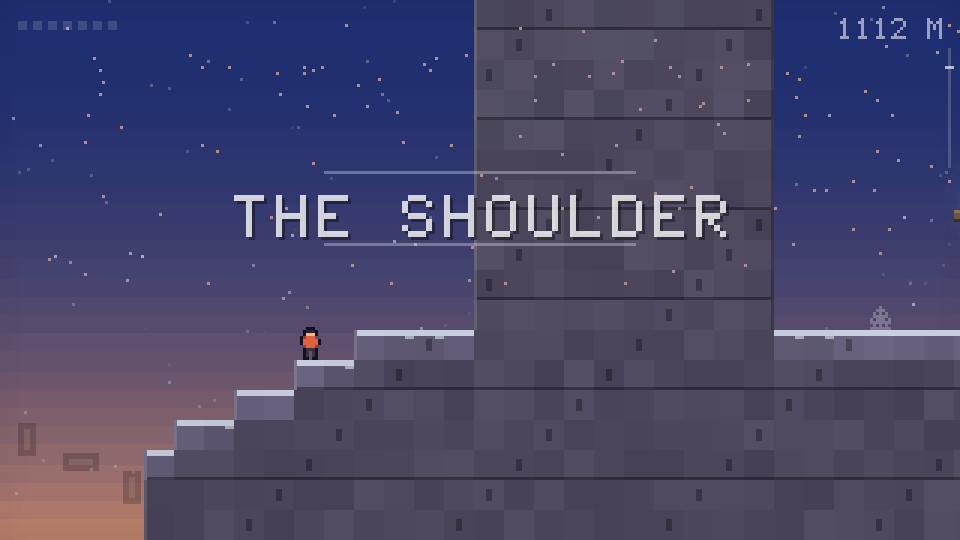
The answer was The Waking: a climb of about 1,300 metres up a mountain that turns
out to be a sleeping giant, from rain on a road at dusk to sunrise on its forehead. Nothing
can kill you, and the music is five layers that fade in with altitude. ok that was pretty
cool.... let's do another one!
Not every one landed. The next, Perihelion, a probe falling into a star system
with eight seconds of engine, got ok that one kinda blows sorry. do another one
. The
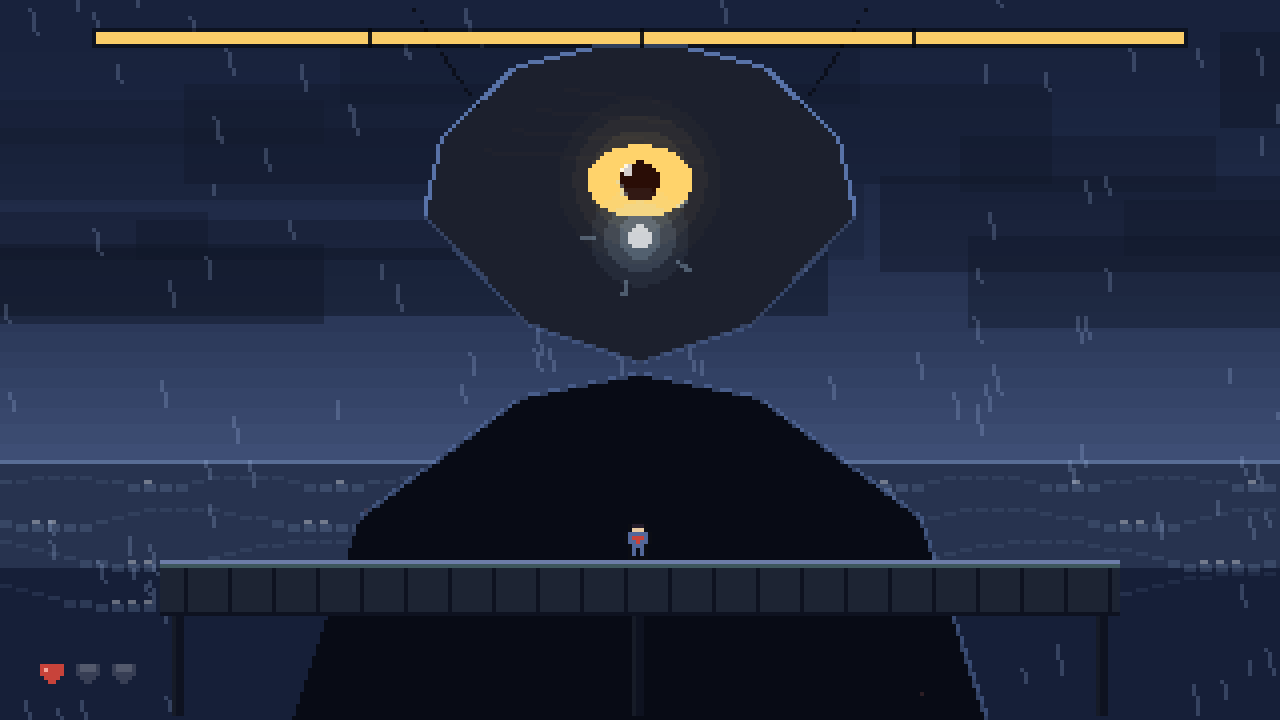
one after that is Leviathan, a duel with a storm at sea in which you have no attack:
every point of damage it takes is its own lightning, parried back. good boss fight I love
it!
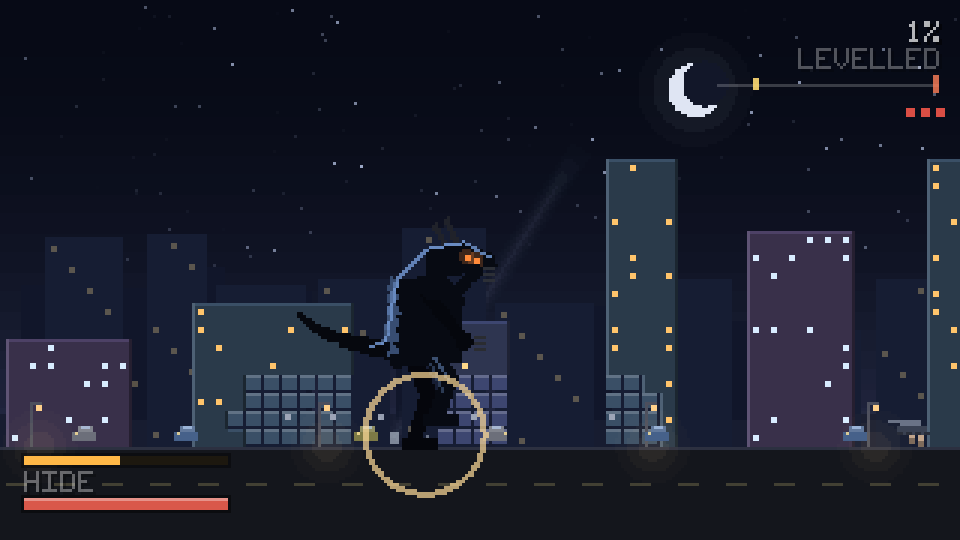
Landfall turned the question around: you are the enormous thing, and the city
is six-pixel blocks that break where you hit them, with people three pixels tall running
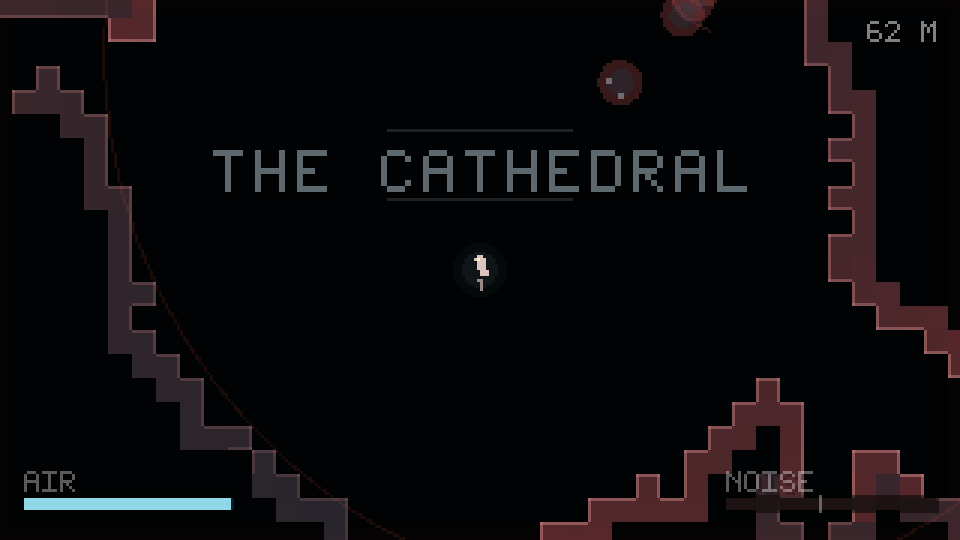
away. Sounding is a flooded cave with no light: every call you make shows you the
walls and tells the thing at the bottom where you are. My first reaction was I honestly
don't get it.... any chance you could add a tutorial and multiple increasingly hard levels?
it feels good as a mechanic but no idea what it is
. It now has four dives, the first
one a lesson.
RPGs, and only the beginning of them
At half past four in the morning on the 22nd the brief narrowed: I love all these mechanics... but I
realize RPGs are where it's at for me... so let's hone down on those
. Vigil, one
turn-based battle where the boss announces every move on a bar, got very cool animations
and boss design. I am not a fan of round based though
. Threshold, an action RPG
about getting stronger, got the harshest note of the week:
I am immediately bored. mechanics and feel are solid but you leave me in the middle of nowhere with nothing. I need an apic intro, a turial disguised as first mission etc...
Then uhm just no... there is no storytelling, no fun
, then MUCH better
. That
was the turn: ok I think we found a bottleneck worth iterating over
. From there every
experiment had two constraints, RPG and intro only, nothing past the first act.
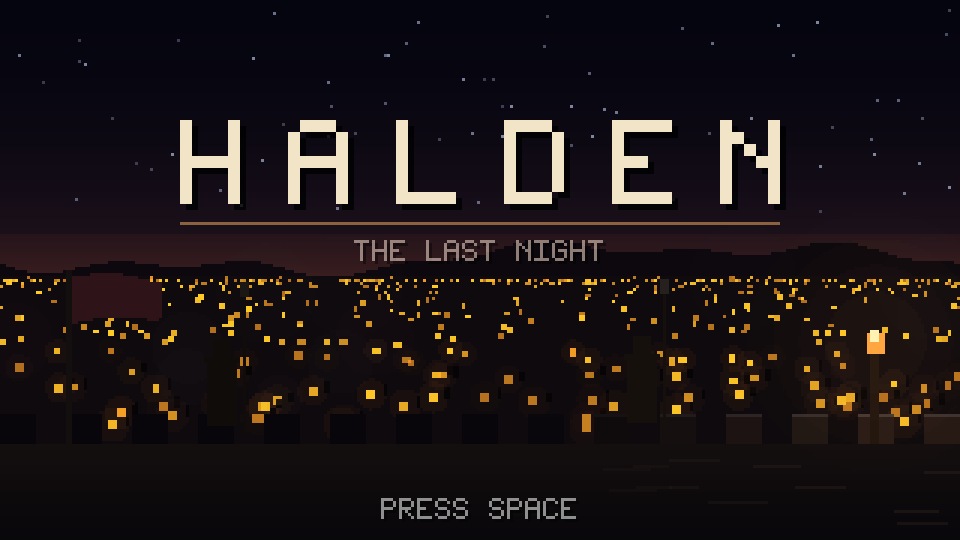
Halden opens on nine hundred campfires seen from a city wall, and its four missions
are the tutorial, each one taught by a person. ok NOW we are cooking.
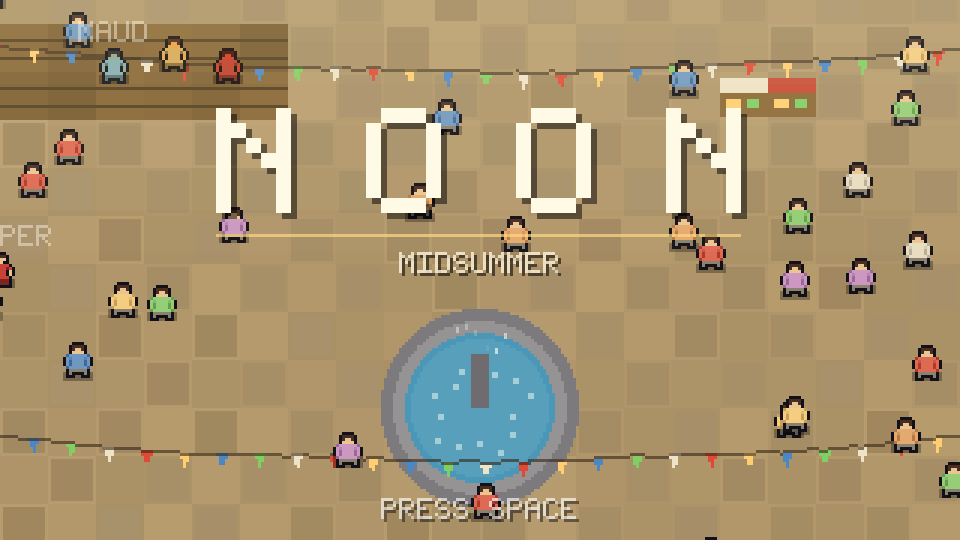
Noon
starts in a crowded square on midsummer and puts the sun out at twelve, and from then on
light is the combat system. I like the sudden twist from happy fest to dark foreboding
but it feels kinda limp.
Tithe has a dragon take your sister in the first
minute: bit ofa trope but Im willing to play it through
, after I first got
stuck in a tree before the campfire.
The look
On the 26th the art became the problem: can we move away from whatever pixel art
engine you are using? I love the design language of SNES
, then idk it still feels like this annoying pixel art cuteness... it's all
too cute and not serious at all
, then now it looks like a bad RPG maker game
, and
then the fix, from me:
hey I just remembered the solarus engine is free and open source and has exactly that optic... try to imitate it.
Muster now loads the Solarus free resource pack straight from its own data files
into Godot: tiles, characters, music. It is a mini RPG where the gameplay is knocking on
doors: the lord wants twenty spears at the ford by dawn, twenty-three people in the village
can hold one, and you decide who goes. The ending is one card for each name that did not
come home. ah NOW were talking.
Seventy-five
minutes after that message, the Solarus experiments
started in a folder of their own, in Solarus itself.
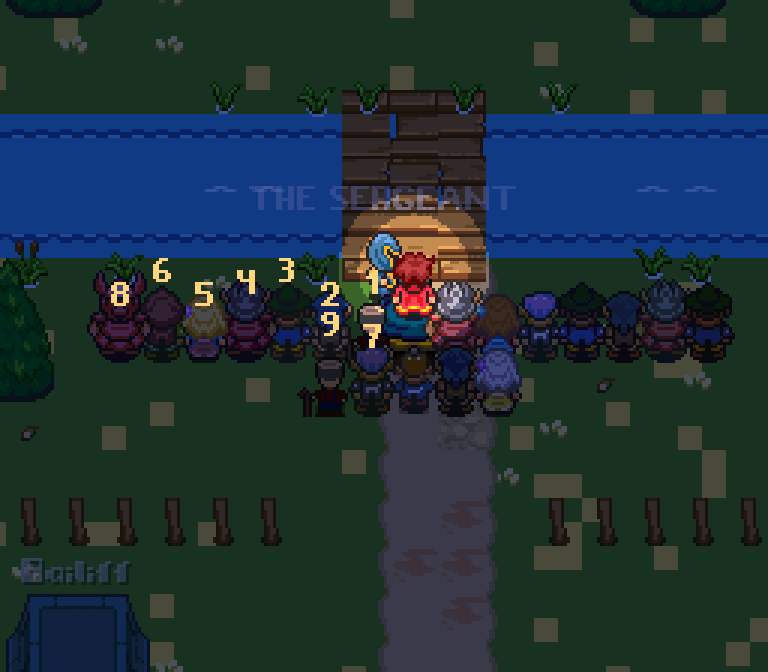
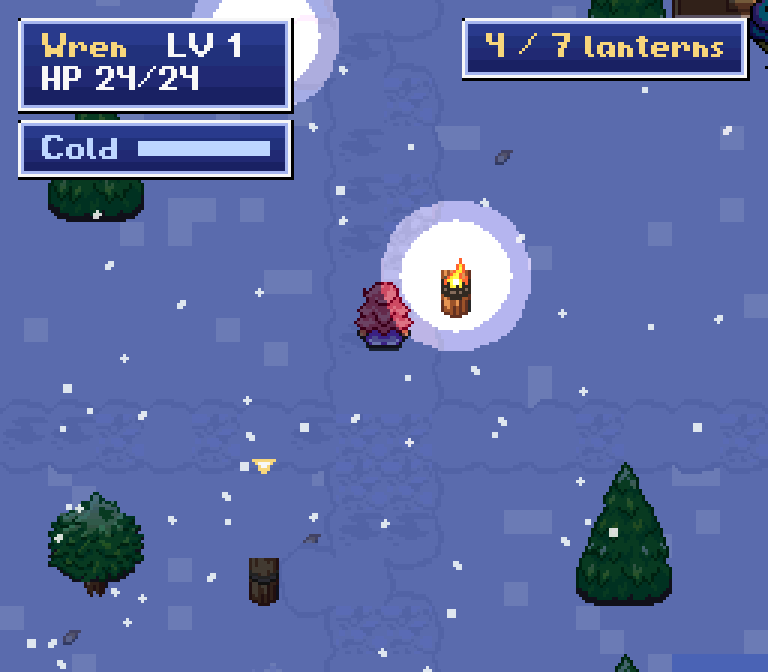
Hearth was a cosy snow town on Midwinter's Eve, seven lanterns to light and a gate
on the pass that the rule says stays shut. ok not bad but not really epic either
. The
last one, Heorot, borrows from Beowulf: a hall where something comes at night.
- built
- Claude Code, 20 to 28 August 2026, in two chats in one folder: one on Stormkeep, one on everything else; browser builds added by the fleet afterwards, The Waking on 2 October and three more on 9 October
- engine
- Godot 4.7.2, GDScript, one project per folder; from about 600 lines (the rope) to 7,200 (Stormkeep)
- art and sound
- drawn and composed in code in the early ones; free CC0 and LPC packs later, and the Solarus free resource pack (CC BY-SA 4.0) for Muster and Hearth
- tested
- played by me; most games also have bots that play them through the real input, for example a masher that must lose to Vigil's last phase and a reader that must win
- in the browser
- Dungeon, The Waking, Leviathan and Sounding; the other thirteen run from the desktop
Still rough
These are first acts and single mechanics, not finished games; the longest is Stormkeep's two chapters, and it was left where I stopped knowing where it should go. Only four of the seventeen play in a browser. Those builds run on Godot's simpler web renderer, so glow and lighting can look flatter than on the desktop, each one is a download of about 38 MB, and in Leviathan and Sounding the Esc key quits the game, which in a browser leaves a dead canvas until you reload. Everything needs a keyboard, the rope a mouse too; Stormkeep was built portrait for a phone but has no touch controls yet.